The Real Cost of Furnishing a Home After Construction
JULY 16, 2026 · 6 min read
A renovation can completely transform a home, but construction is only one part of the finished result.
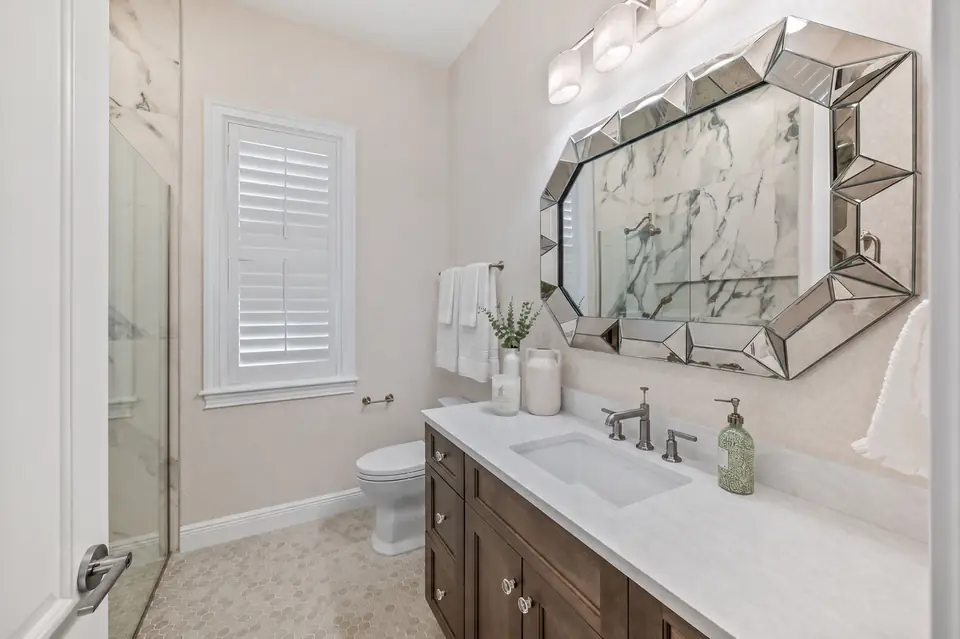
New flooring, cabinetry, countertops, tile, lighting, and paint can make a space feel fresh and beautiful.
But once the dust settles, many homeowners realize something important. The home still does not feel finished.
That is usually because the furnishings were treated as a separate project instead of part of the full design plan.
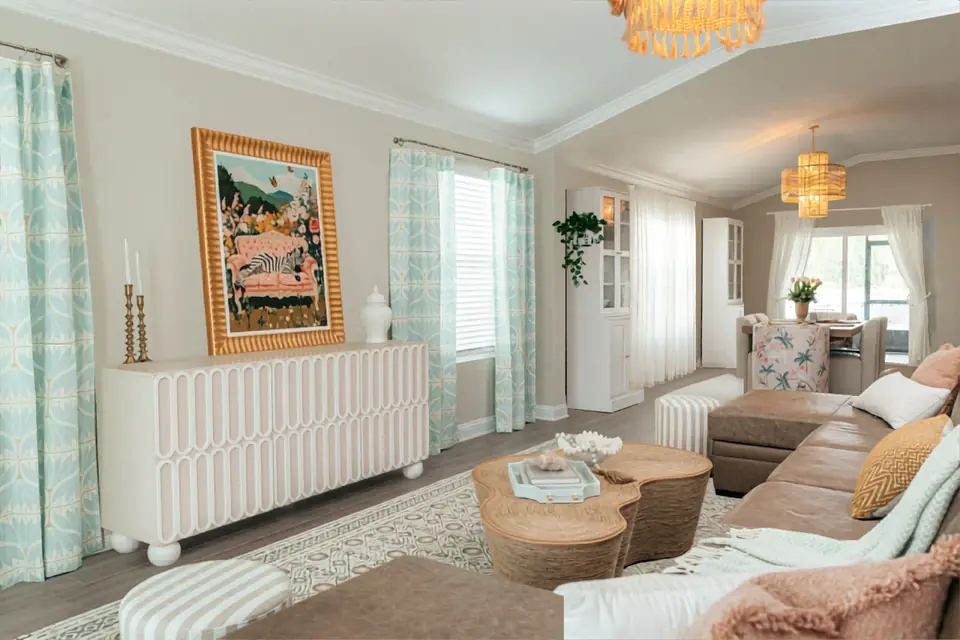
Furniture, rugs, lighting, window treatments, art, accessories, and styling pieces are not just extras. They are what make the home feel complete, comfortable, and connected to the way you actually live.
And if they are not planned for early, they can become one of the biggest surprises at the end of a renovation.
The Renovation Sets the Stage, But Furnishings Complete the Story
A renovation creates the foundation of the home.
The floors, cabinetry, countertops, tile, lighting, and paint all shape the direction of the space.
But those elements are only part of what people actually experience day to day.
The furnishings are what bring the rooms into real life.
They affect how the home feels when you walk in. How comfortable the living room is. How finished the bedroom feels. How balanced the dining area looks. How warm the lighting feels at night. How the colors, textures, and materials connect from one space to the next.
This is where many homes get stuck.
The renovation may be beautiful, but without the right furnishings, the space can still feel empty, disconnected, or not quite done.
That final layer is not just decoration. It is what turns the renovation into a home.
Existing Furniture Does Not Always Work in the New Space
One of the most common assumptions homeowners make is that they can simply reuse what they already own.
Sometimes that works.
Often, it does not.
After a renovation, the scale, style, layout, and feeling of the home may have completely changed. The old sofa may be the wrong size. The dining table may not relate to the new kitchen. The rug may feel too small. The bedroom furniture may suddenly look heavy or dated against the new finishes.
This does not mean everything has to be replaced.
It does mean the existing pieces need to be evaluated as part of the full design.
Some pieces may still work beautifully. Others may need to be moved, refinished, reupholstered, or replaced. The key is knowing what supports the new direction and what is holding the space back.
Because nothing says almost finished quite like a stunning new renovation with furniture that clearly belongs to the old version of the house.
Furnishings Affect the Way the Renovation Feels
Finishes create the foundation.
Furnishings create the experience.
The furniture layout affects how people move through the room. Rugs define spaces and soften sound. Window treatments control light and privacy. Lamps and decorative lighting create warmth. Art and accessories add personality. Bedding and textiles make rooms feel layered and comfortable.
Without those pieces, even a very expensive renovation can feel cold, empty, or incomplete.
The rooms may look updated, but they may not feel inviting yet.
That final layer is what helps the home feel lived in, personal, and pulled together.
Furniture Should Be Planned Before Construction Ends
Furnishing should not be the last conversation.
It affects more decisions than most people realize.
For example, the size of your dining table affects chandelier placement. Your sofa layout affects outlet locations, rug size, and lamp placement. Your bed size affects sconce height and nightstand width. Window treatments affect trim details, hardware placement, and sometimes even how furniture should sit in the room.
When furnishings are planned early, the construction details can support the way the rooms will actually be used.
When furnishings are planned too late, you may end up with outlets in awkward places, lighting that is not centered over the furniture, rugs that do not fit well, or rooms that feel visually off even though the construction itself is beautiful.
The earlier the furniture plan is considered, the better the final result usually feels.
The Budget Is Usually Bigger Than People Expect
Furnishing a home well costs more than most people think.
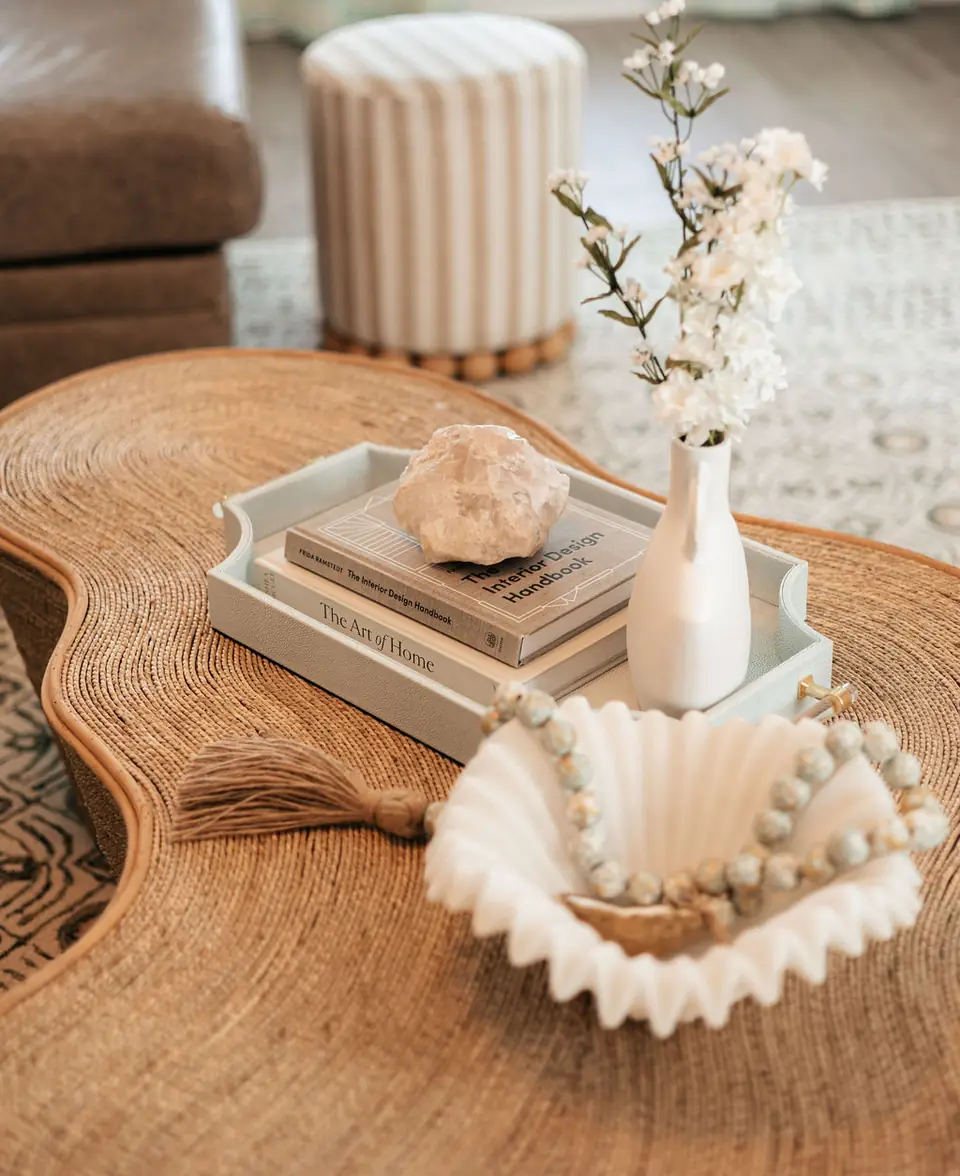
That does not mean every piece needs to be luxury or custom. But quality furniture, rugs, window treatments, lighting, art, and accessories add up quickly.
A single room may need a sofa, chairs, coffee table, side tables, lamps, rug, console, artwork, pillows, greenery, and window treatments. A bedroom may need a bed, nightstands, lamps, bedding, rug, dresser, mirror, artwork, and accessories.
Now multiply that across several rooms.
This is why it is important to talk about furnishing early. Not because everything has to be purchased at once, but because the budget needs to be realistic.
If the furnishing budget is ignored during the renovation, homeowners often feel frustrated at the end when the house is technically done but still does not feel complete.
That is not a design failure.
It is a planning issue.
A Phased Furnishing Plan Can Still Work
Not every home needs to be fully furnished at once.
A phased plan can be a smart approach, especially after a large construction project.
The important thing is to have a plan for the whole home, even if purchases happen over time.
That may mean prioritizing the main living areas first, then bedrooms, then secondary spaces. Or it may mean investing in the foundational pieces now, like rugs, sofas, beds, and window treatments, then layering in art and accessories later.
A phased plan keeps the home moving in one clear direction.
Without a plan, it is easy to buy random pieces just to fill empty spaces. That usually leads to a home that feels pieced together instead of intentionally designed.
The Best Results Happen When Construction and Furnishings Are Designed Together
A home feels most complete when the renovation and furnishings are considered as one full design.
The built-in finishes should support the furniture. The lighting should support the layout. The rugs, textiles, and art should relate to the colors and materials used throughout the home. The whole space should feel connected.
When the construction side and furnishing side are separated too much, the final result can feel unfinished or disjointed.
A strong design plan looks beyond the renovation itself and considers how the home will actually feel when people are living in it.
That is where the magic happens.
And by magic, I mean planning.
The Bottom Line
A renovation is not truly finished when the contractor leaves.
The final layer matters.
Furniture, rugs, window treatments, lighting, art, and styling are what make the space feel complete, comfortable, and personal. They affect how the home functions, how it feels, and how well the renovation investment comes together.
If you are planning a renovation, new build, or major home update, it is worth thinking about furnishings from the beginning.
Even if you do not purchase everything right away, having a clear furnishing plan can help you avoid costly mistakes, awkward layouts, and that frustrating feeling of living in a beautiful but unfinished home.
Zen Reno & Design helps homeowners create thoughtful, cohesive spaces from construction planning through the final layers, so the finished home feels as good as it looks.