The Biggest Mistakes Homeowners Make Before Starting a Construction Project
JULY 8, 2026 · 5 min read
Starting a construction project is exciting, but it can also get overwhelming quickly. Whether you are renovating, building new, adding on, or making major updates to your home, the decisions start stacking up fast.
Layouts. Materials. Lighting. Cabinetry. Tile. Paint colors. Fixtures. Furniture. Timelines. Budgets.
Most homeowners do not realize how many design decisions need to be made before construction begins. That is where problems usually start.
A construction project does not fall apart because someone picked the wrong faucet. It usually gets messy because there was not a clear plan from the beginning.
Here are some of the biggest mistakes I see homeowners make before starting a construction project.
1. Waiting Too Long to Bring in a Designer
Many people think an interior designer comes in at the end to pick paint colors, furniture, and decor.
In reality, a designer can be incredibly helpful much earlier in the process.
The best time to bring in a designer is before plans are finalized, before materials are selected, and before construction decisions start moving quickly. A designer can help you think through how the space will actually function, how the finishes will work together, and what details need to be addressed before they become expensive problems.
Good design is not just about how a home looks. It is about how it lives.
2. Making Selections One at a Time
One of the most common mistakes homeowners make is choosing finishes individually instead of looking at the whole picture.
They pick a tile they love. Then a countertop. Then flooring. Then cabinet color. Then hardware. Then lighting. Each item may be beautiful on its own, but that does not mean they all work together.
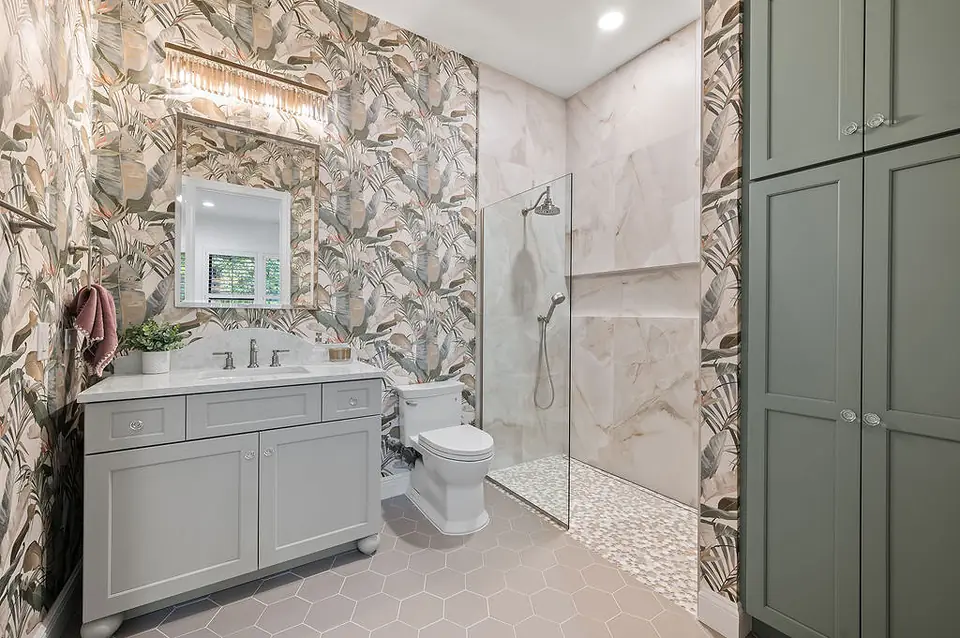
A well-designed home needs a cohesive plan. Materials should relate to each other in color, texture, scale, finish, and overall feeling.
When selections are made one at a time, the result can feel disconnected, even if every individual choice was expensive.
3. Assuming the Contractor Will Handle All the Design Details
A great contractor is essential, but a contractor and a designer serve different roles.
Your contractor is focused on building the project correctly. A designer is focused on how the space functions, feels, and comes together visually.
There are hundreds of small details in a construction project that affect the final result. Tile layout. Grout color. Cabinet proportions. Lighting placement. Door swings. Trim details. Plumbing fixture locations. Furniture clearances.
Some contractors are very design-minded, but it is still not their job to create the entire design vision. When homeowners expect the contractor to fill in every design gap, decisions often get made quickly in the field instead of intentionally in advance.
That is usually where the expensive “I wish we had thought about that sooner” moments happen.
4. Not Thinking Through the Floor Plan Carefully Enough
A floor plan can look fine on paper and still not work well in real life.
Before construction begins, it is important to think through how you actually use your home.
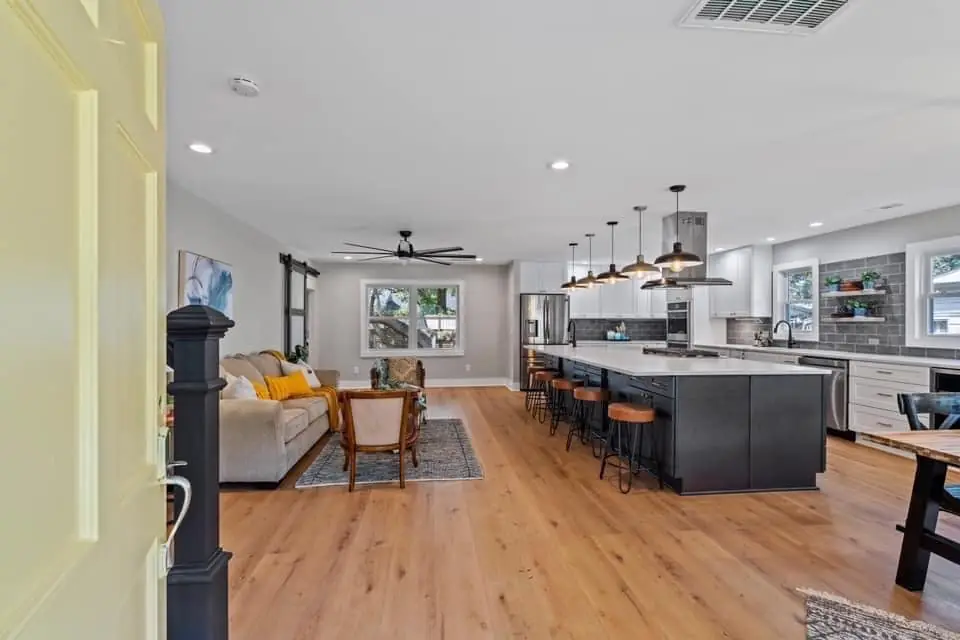
Where do you drop your bags? How does your family move through the kitchen? Do you need more storage? Is there enough space around the island? Do the doors swing in the right direction? Where will furniture actually go? What views do you want to highlight?
These are the kinds of details that impact daily life.
A beautiful home that does not function well will eventually frustrate you, no matter how pretty the finishes are.
5. Forgetting About Lighting Until It Is Too Late
Lighting is one of the most important parts of a home, but it is often treated as an afterthought.
By the time homeowners start thinking about decorative fixtures, sconces, under-cabinet lighting, or accent lighting, the electrical rough-in may already be complete. At that point, making changes can become more complicated and expensive.
Lighting should be planned early.
You need to think about where you need task lighting, where you want softer ambient lighting, and where decorative fixtures can add personality. The right lighting plan can completely change how a home feels.
The wrong lighting plan can make even beautiful finishes look flat, harsh, or unfinished.
6. Underestimating the Number of Decisions
Construction projects require a lot of decisions.
Some are big, like flooring, cabinetry, countertops, and plumbing fixtures. Others seem small, like outlet placement, grout width, edge profiles, hinge finish, mirror size, or where a light fixture should be mounted.
But the small decisions matter.
When there is no design plan, these decisions usually happen under pressure. That can lead to rushed choices, decision fatigue, delays, or costly changes.
Having a designer involved helps organize those decisions so they are made with intention instead of panic.
7. Not Planning for Furniture and Finishing Details
A home is not finished when construction ends.
Furniture, rugs, lighting, window treatments, art, and accessories are what make the space feel complete. These pieces also need to be considered early, especially when planning room layouts, electrical locations, ceiling fixtures, and overall budget.
If furniture is treated as an afterthought, you may end up with a beautiful new space that does not function the way you hoped.
Designing the construction and the furnishings together creates a much stronger final result.
8. Starting Without a Clear Vision
A construction project needs more than inspiration photos.
Pinterest boards are helpful, but they are not a design plan.
Before construction starts, you should have a clear direction for the style, mood, function, finishes, and priorities of the home.
Without that, it becomes easy to get distracted by every pretty option you see.
A clear vision keeps the project grounded. It helps every decision support the same end goal.
The Bottom Line
Construction is a major investment, and the earlier design decisions are made, the smoother the process usually becomes.
Bringing in a designer early can help you avoid costly mistakes, create a more cohesive home, and make decisions with confidence before construction begins.
If you are planning a renovation, new build, addition, or major home update, the best time to start the design conversation is before the project is already moving.
Zen Reno & Design helps homeowners create thoughtful, functional, and beautiful spaces with a clear plan from the beginning.